

Introduction: 

How are you affected by seasons? Human life has always been closely connected to nature.
Long before modern technology, people planned their food, work, travel, and rest according to the seasons. Even today, despite air conditioning, heaters, and digital lifestyles, seasonal changes continue to influence how we live our daily lives.
Changing seasons affect our lifestyle levels, routines, health, mood, clothing, food choices, and social behavior. Winter encourages rest and comfort, summer pushes us toward activity and social interaction, while spring and autumn act as transition periods that slowly reset our habits. Understanding how changing seasons affect our lifestyle helps us adapt better, stay healthier, and live more comfortably throughout the year.
How Do Seasons Affect Our Daily Life and Routines?
 How do seasons affect us? Each season brings different environmental conditions that influence daily life.
Weather changes affect routines, energy levels, and personal habits. From sleep patterns to outdoor activities and work schedules, people naturally adjust their daily lives to stay comfortable, productive, and aligned with seasonal demands.
| Season | Weather Characteristics | Lifestyle Impact |
| Winter | Cold, short days, low sunlight | Indoor routines, rest, slow pace |
| Summer | Heat, long days, strong sunlight | Outdoor activities, travel, social life |
| Spring | Mild temperatures, blooming nature | New routines, motivation, freshness |
| Autumn | Cool air, shorter days | Reflection, routine stability |
Temperature, daylight, and humidity silently guide when we wake up, how active we feel, and how much energy we have during the day.
How Seasonal Changes Affect Human Health?
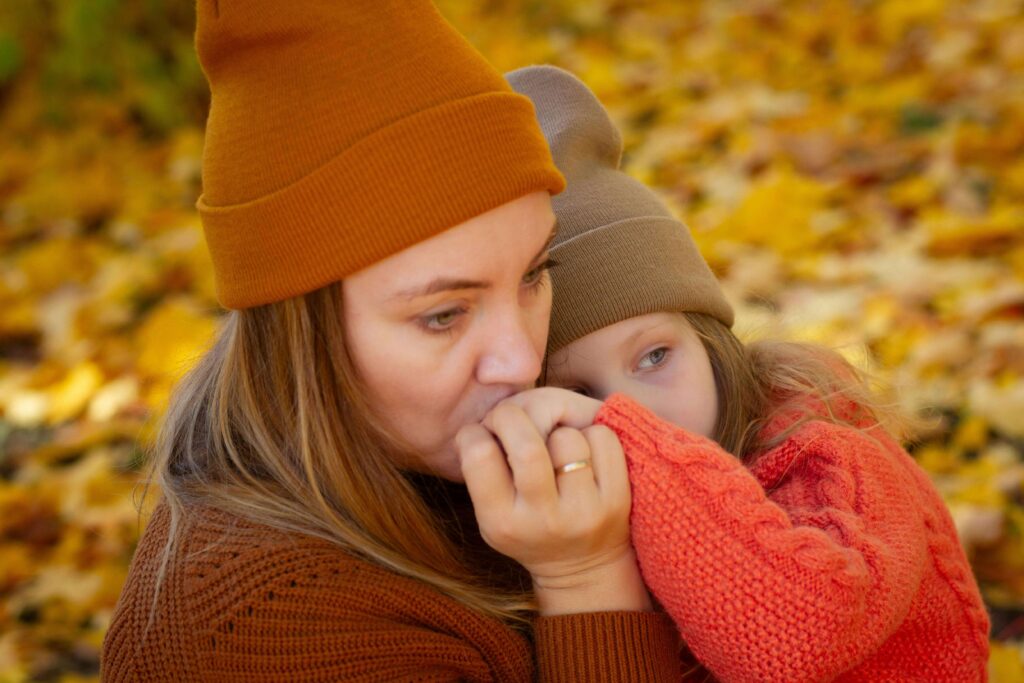 How do seasons affect our lives and bodies respond differently in changing seasons affect.
Ignoring these changes often leads to health issues.
Winter Health Effects
- Increased risk of flu, colds, and respiratory infections
- Low sunlight reduces vitamin D levels
- Dry skin and joint stiffness
- Reduced physical activity
Summer Health Effects
- Dehydration and heat exhaustion
- Sunburn and UV-related skin damage
- Fatigue due to excessive heat
Spring & Autumn Health Effects
- Seasonal allergies (pollen, dust, mold)
- Sinus and breathing discomfort
- Mild immunity fluctuations
| Health Area | Winter | Summer | Spring/Autumn |
| Immunity | Weaker | Stable | Sensitive |
| Hydration | Low | High need | Moderate |
| Activity Level | Low | High | Balanced |
Adjusting diet, hydration, and activity levels according to the season helps maintain long-term physical well-being.
How Do Seasons Affect Our Emotions and Mental Health?
 How do seasons affect our emotions? The changing seasons have a closely impact on our mental and emotional health.
Longer daylight hours often boost mood, motivation, and energy levels, while darker, colder seasons may increase feelings of fatigue or low mood. Understanding these shifts helps people manage stress, emotions, and mental balance more effectively.
Medical research also supports the connection between seasons and mental well-being. According to the Mayo Clinic, reduced sunlight during colder months can lead to Seasonal Affective Disorder (SAD), a form of depression linked to seasonal changes.
This condition may cause low energy, mood swings, sleep disturbances, and reduced motivation, highlighting how strongly changing seasons affect our lifestyle and emotional health.
Winter and Mental Health
Short days and limited sunlight often cause low motivation, tiredness, and emotional heaviness. Some people experience Seasonal Affective Disorder (SAD), which brings mood swings and lack of interest in daily activities.
Summer and Emotional Energy
Bright sunlight increases serotonin levels, improving mood and confidence. People feel more social, optimistic, and mentally active during summer.
Spring & Autumn Emotional Shifts
- Spring creates feelings of renewal and hope
- Autumn encourages calm thinking and reflection
| Season | Emotional State | Mental Energy |
| Winter | Calm, introverted | Low |
| Summer | Social, energetic | High |
| Spring | Motivated, fresh | Medium–High |
| Autumn | Thoughtful, stable | Medium |
Maintaining emotional balance means adjusting expectations rather than forcing the same routine all year.
How Changing Seasons Affect Natural Food Choices?

How do seasons affect our lives and food choices with the natural shift?
In warmer months, people prefer light meals, fresh fruits, and cooling foods, while colder seasons encourage warm dishes like soups and cooked vegetables. Eating seasonally supports digestion, boosts immunity, and helps maintain overall balance throughout the year.
Warm Seasons (Spring & Summer)
- Light meals and fresh foods
- Fruits, vegetables, salads, smoothies
- High water intake
Cold Seasons (Autumn & Winter)
- Warm, comforting meals
- Soups, stews, grains, root vegetables
- Higher calorie needs for warmth
| Season | Preferred Foods | Reason |
| Summer | Fruits, salads | Cooling & hydration |
| Winter | Soups, grains | Warmth & energy |
| Spring | Greens, berries | Detox & renewal |
| Autumn | Root vegetables | Stability & immunity |
Seasonal eating improves digestion, immunity, and overall health.
How Do Seasons Affect Our Clothing Choices?
 How do seasons affect us? Our clothing is one of the clearest lifestyle changes influenced by seasons.
As temperatures change, people naturally adjust what they wear to stay comfortable and safe. That’s why changing seasons affect often result in lightweight breathable suits that are worn during warmer months, while colder seasons require layers, warm materials, and protective outerwear to maintain body heat and everyday comfort.
Seasonal Change Clothing Adaptation
- Winter: Layers, coats, wool, boots
- Summer: Lightweight fabrics, breathable designs
- Spring/Autumn: Transitional layering
| Season | Clothing Style | Purpose |
| Winter | Heavy layers | Warmth & protection |
| Summer | Light fabrics | Cooling & comfort |
| Spring/Autumn | Flexible layers | Adaptability |
Fashion follows seasonal needs rather than trends alone.
How Seasons Affect Work Routines and Productivity?
 Changing seasons affect also daylight strongly influence work routines with productivity.
Longer daylight hours often boost energy, motivation and outdoor activity, while shorter days with slow routines and these changing seasons affect all focus. Adjusting work schedules, sleep patterns, and habits according to seasonal light helps maintain balance and consistent productivity.
- Summer: Longer days increase energy, social activity, and productivity
- Winter: Short days slow routines and encourage rest
- Spring & Autumn: Balanced schedules and steady focus
| Season | Energy Level | Productivity Style |
| Summer | High | Active & flexible |
| Winter | Low | Structured & slow |
| Spring | Medium–High | Growth-focused |
| Autumn | Medium | Stable & focused |
Adapting schedules to seasonal energy prevents burnout and fatigue.
How Seasons Affect Social Life and Travel?
 How do the seasons affect us? These natural changing seasons have a profound impact on our travel and social lives.
Warmer months encourage outdoor gatherings, vacations, festivals, and social events, while colder seasons shift focus toward indoor meetups and quieter activities.
Changing seasons affect decisions how people plan trips, spend time with others, and balance social engagement throughout the year.
- Summer: Travel, weddings, festivals, outdoor events
- Winter: Family gatherings, indoor celebrations
- Spring & Autumn: Cultural and religious Events travel patterns also peak in warmer months, while colder seasons strengthen indoor social bonds.
How Changing Seasons Affect Financial Planning?
 Changing seasons affect our financial spendings and also household planning.
Energy costs rise in extreme weather, while spending shifts toward seasonal clothing, food, travel, and activities. Planning finances according to seasonal needs helps manage expenses wisely, reduce stress, and maintain financial balance throughout the year.
| Season | Common Expenses |
| Winter | Heating, warm clothing |
| Summer | Cooling, travel |
| Autumn | Home maintenance |
| Spring | Cleaning, renewal |
Seasonal budgeting helps manage expenses wisely and avoids sudden financial stress.
Conclusion: Changing Seasons Affect Our Lifestyles In More Profound Ways Than We Often Realize
From health and emotions to routines, food, clothing, and finances, each season shapes our daily lives in different ways.
Adapting to these changes rather than resisting them is the key to balanced health and stability.
By understanding how the changing seasons affect our lifestyles, we can align our habits with nature, improve our well-being, and live our best lives more personally and consciously throughout the year.
The seasons are not obstacles in our lives—they are guides, and it is the seasonal changes that provide us with new ideas and their full support in living better.
When we learn to navigate them, our lives are sure to be lived in a calm, relaxed, and comfortable way.
(FAQs)
Q1. What causes the changing of seasons?
The Earth’s tilted axis causes different parts of the planet to receive varying sunlight throughout the year, creating seasons.
Q2. How do changing seasons affect our health?
Seasonal changes affect immunity, sleep patterns, hydration, mental health, and energy levels.
Q3. How do seasons affect our lifestyle?
They influence routines, food choices, clothing, work habits, and social behavior.
Why do people feel different emotions in different seasons?
Changes in daylight impact hormones like serotonin and melatonin, which affect mood and motivation.
