

Introduction
Many people in the United States often look for good dental veneers for missing teeth because they are looking for a simple and effective cosmetic way to improve their lost smile without any major or difficult procedures.
Missing teeth always affect confidence, appearance, social comfort, and personality, and perhaps that is why most people are interested in cosmetic dentistry options.
They often feel this great confusion at the same time as they ask these basic questions.
As it is important to fully understand the concept first, this article will explain to you in detail what dental veneers for missing teeth are and how they work.
The goal is to help you understand what veneers can realistically do, When do they help? When other dental solutions make more sense.
Understanding The Basics First
When people in the United States think of veneers, they usually want a straightforward explanation without the dental jargon.
Essentially, veneers consist of thin coverings that are placed over the front surface of natural teeth, usually made of porcelain or composite materials to improve their appearance.
Veneers are not artificial teeth, nor do they completely replace missing teeth.
The most important point to understand before considering dental veneers for missing teeth is that they make existing teeth look more natural and cosmetically better, which makes sense since they only work if there is already a tooth surface available to support them.
What Exactly Are Dental Veneers For Missing Teeth?
The term dental veneers for missing teeth is often confusing, as the veneers cannot completely replace a missing tooth.
In the United States, dental veneers for missing teeth refer to cosmetic instances where veneers help to reduce the appearance of a missing tooth.
This can involve complete reconstruction of the surrounding teeth or small gaps left by tooth decay.
In cosmetic dentistry, veneers are used in certain cases to maintain the appearance and original shape of a smile, especially in the front parts of the teeth.
This approach focuses on overall appearance rather than restoring chewing function.
Can Dental Veneers For Missing Teeth Really Work In Real Life?
In real dental practices in the United States, dental veneers for missing teeth can only work in very limited situations.
Many dental professionals explain that veneers can improve appearance in limited cases, but they do not replace missing teeth or restore full dental function.
If there is a small gap or uneven spacing, it can be completely improved with unique aesthetics using veneers.
However, the latter cannot support occlusal pressure, nor will they provide the actual function of the missing tooth.
People who inquire about veneers also feel that veneers are a cosmetic solution to every problem dentists face, including spacing, bite alignment, and oral health, before recommending veneers as a cosmetic solution for missing teeth.
When Dental Veneers For Missing Teeth Are A Good Choice?
These are specific situations where dental crowns are meant to cover missing teeth.
These include minor spacing issues, partially decayed teeth, or cosmetic gaps in areas where the smile is visible.
In the United States, veneers are often chosen by patients who want a quick cosmetic improvement without surgery.
If the surrounding teeth are healthy and the bite is stable, veneers can greatly help create a balanced appearance.
Understanding veneers helps patients understand why veneers are primarily about appearance, not structural repair.
When Dental Veneers For Missing Teeth Are Not Recommended

Equally, it is important to know when dental veneers are not an option for missing teeth.
Veneers cannot fully restore function, strength, or jaw support when teeth are completely missing.
Wherever this is the case in the United States, other dental options, such as implants or bridges, are most often recommended.
Most people who seek veneers initially think that veneers can replace missing teeth, and this misinformation can lead to poor outcomes.
Dentists are more concerned with long-term oral health than cosmetic shortcuts, especially for American patients.
Dental Veneers For Missing Teeth Vs Dental Implants
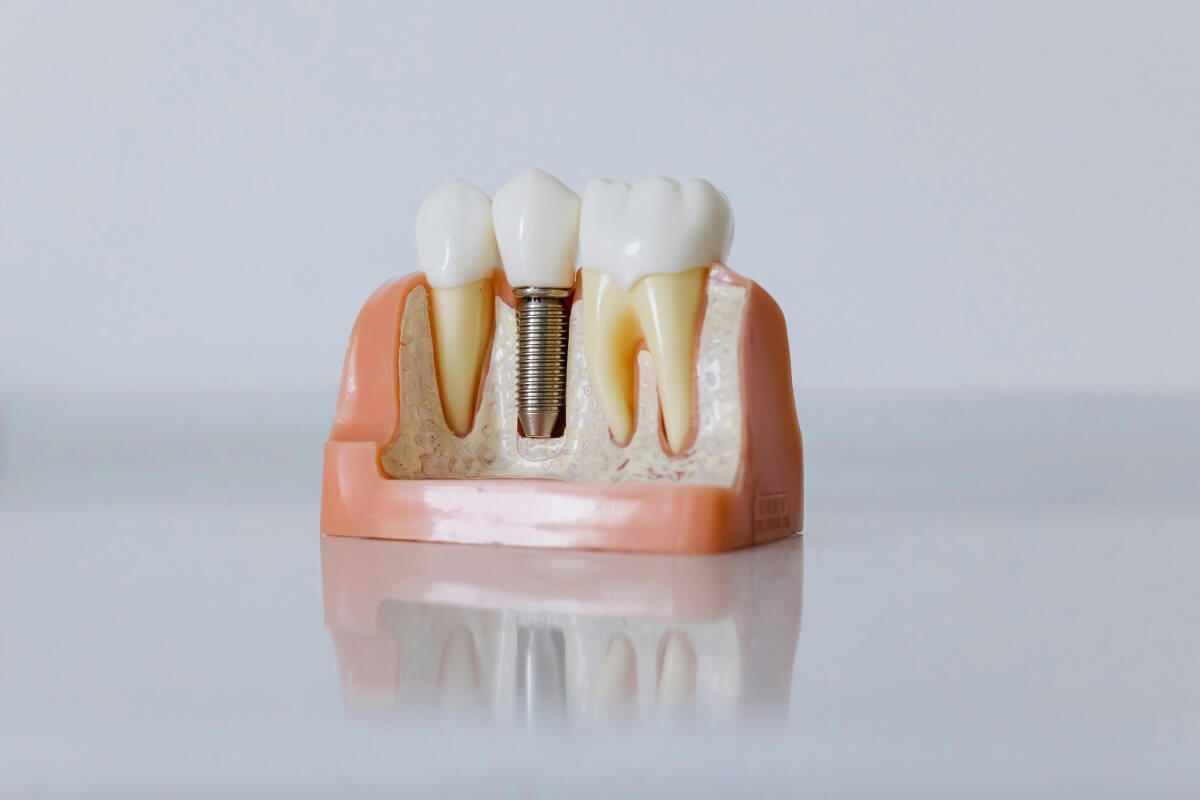
Comparing dental veneers for missing teeth with dental implants puts expectations into perspective, as implants replace the tooth and root for strong, long-lasting support.
Veneers simply improve the appearance of existing teeth.
Patients who consider veneers also quickly realize that veneers, while less invasive, are also very limited.
In the United States, while implants are considered the gold standard for missing teeth, veneers are considered cosmetic tools that are used selectively.
Dental Veneers For Missing Teeth Vs Dental Bridges
Another important comparison in the United States is that of dental crowns for missing teeth versus dental bridges.
Dental bridges repair missing teeth by attaching artificial teeth to healthy adjacent teeth, while veneers do not.
Veneers simply cover the surfaces of the teeth, while bridges restore the chewing function of a tooth.
Patients who consider veneers often find that bridges provide a functional solution, while veneers provide a useful aesthetic solution.
A real choice will be between function and appearance.
Who Should Consider Dental Veneers For Missing Teeth
Not everyone is a good candidate for dental veneers for missing teeth.
Ideal candidates typically have healthy gums, a stable bite, and small cosmetic gaps.
Bite alignment issues, such as an overbite, can also influence whether veneers are a suitable cosmetic option for improving smile balance.
Adults who absolutely need to enhance their smile for professional or personal reasons typically choose veneers in the United States.
Understanding veneers also helps patients understand that a dentist’s evaluation is necessary, preventing them from having unrealistic expectations or that veneers will provide safe and satisfactory results.
Conclusion
Understanding dental veneers for missing teeth in the United States begins with knowing their full limitations.
Veneers are unique cosmetic tools, not replacements for missing teeth.
They can improve appearance in some cases but cannot restore full function to the teeth.
Learning about veneers helps patients make informed, confident decisions.
The best results for patients living in the United States are achieved with honest guidance, realistic goals, and professional dental advice.
Choosing the right solution will ensure both a better smile and long-term oral health, as well as complement your personality.
FAQs
Can I use veneers with missing teeth?
Veneers work only when a natural tooth is present. They can help visually reduce small gaps but cannot replace a completely missing tooth or restore chewing function.
Can you veneer a missing tooth?
No, veneers cannot be placed on an empty space. They need an existing tooth surface, so they are not used to directly replace a missing tooth.
What is the cheapest option to replace missing teeth?
Removable partial dentures are usually the most affordable option. They restore basic appearance and function, though they may not feel as natural as permanent solutions.
How can I cover my missing teeth?
Options include dentures, dental bridges, implants, or cosmetic approaches to improve appearance. The best choice depends on budget, oral health, and whether function or appearance matters most.
