

Introduction
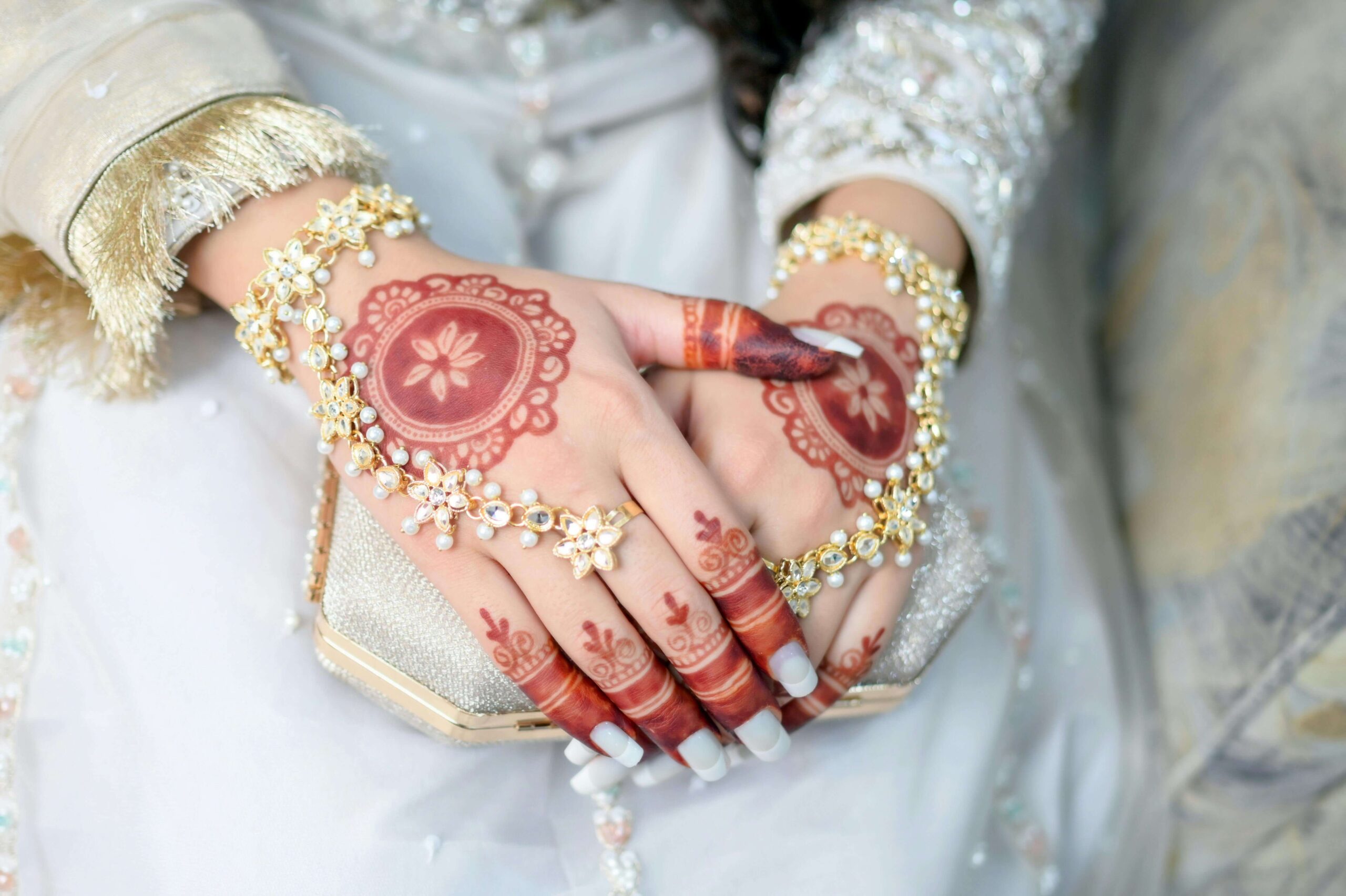
Henna has been applied to the skin for centuries as a decorative touch, for weddings, and for self-expression.
Today is the start of 2026, and the same pertinent question keeps coming up: How long does henna last?
There’s no one-size-fits-all answer. It really depends on your skin type, aftercare, and the type of henna you use, but regular henna can show off its beautiful color for anywhere from a few days to several weeks.
This often allows you to plan weddings, festivals, vacations, or just everyday wear with confidence.
In simple terms, this guide explains all things henna with no myths, no confusion, and only real answers.
What Is Henna, And Why Do People Use It?

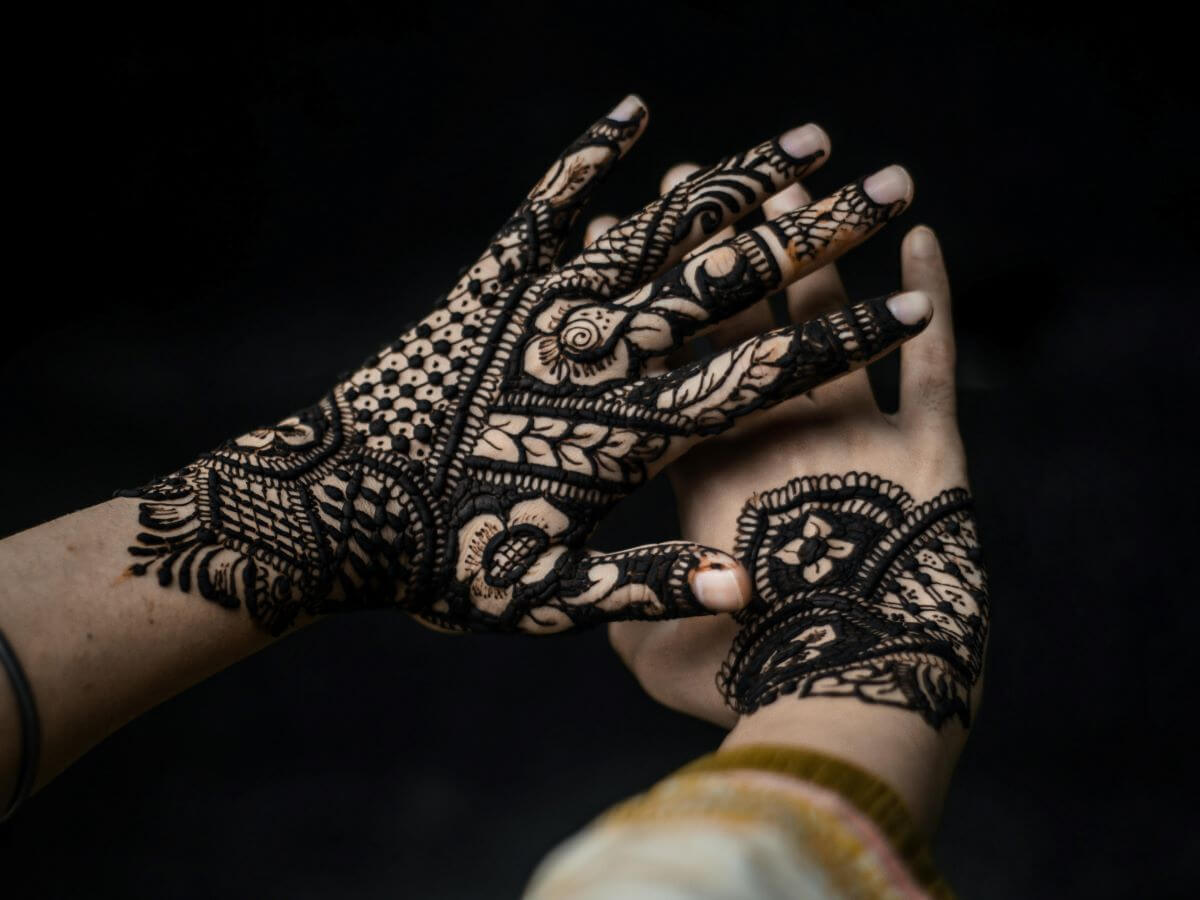
Henna is derived from the leaves of a natural plant called Lawsonia inermis.
When applied to the skin, it creates beautiful and attractive stains ranging from light orange to dark reddish-brown.
People use henna for cultural traditions, weddings, religious ceremonies, and festivals, as well as for modern body art.
One of the reasons henna remains popular today is that, after all, it naturally colors the skin without causing any damage.
How long does henna last? This depends on your overall daily habits as well as the reaction between the henna dye and your skin, with the henna slowly absorbing into the surface layer of the skin and fading the designs over time.
How Long Does Henna Last The Average On The Skin?
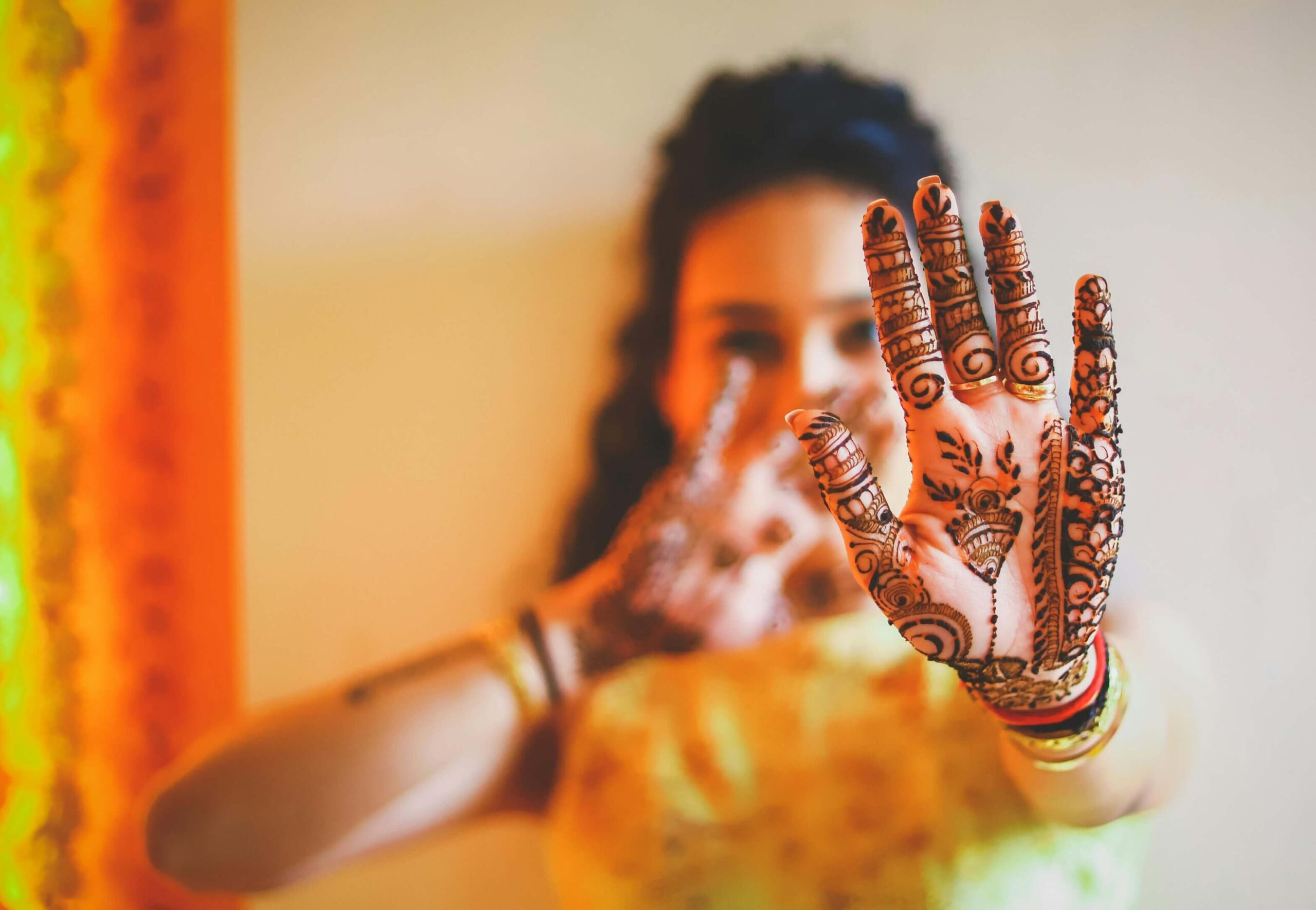
On average, henna lasts on the skin for 7 to 21 days.
Some women start to fade in as little as 5 days, while others keep their designs on for almost a month.
Freshly applied henna usually turns black within the first 48 hours, deepens and deepens over the next two or three days, then gradually fades.
Henna stains the skin temporarily, and its duration can vary depending on the quality of the paste, skin type, and aftercare routine.
Factors like frequent washing, exposure to water, and friction can cause henna to fade sooner. According to beauty professionals explaining how long does henna last, most stains will gradually lighten and disappear within one to three weeks as your skin naturally exfoliates.
Areas with thicker skin, such as the palms and soles, are more resistant to henna, while areas that are subjected to frequent washing and bending, such as the fingers, wrists, and feet, fade more quickly.
Why Does Henna Last Longer On Hands And Feet?
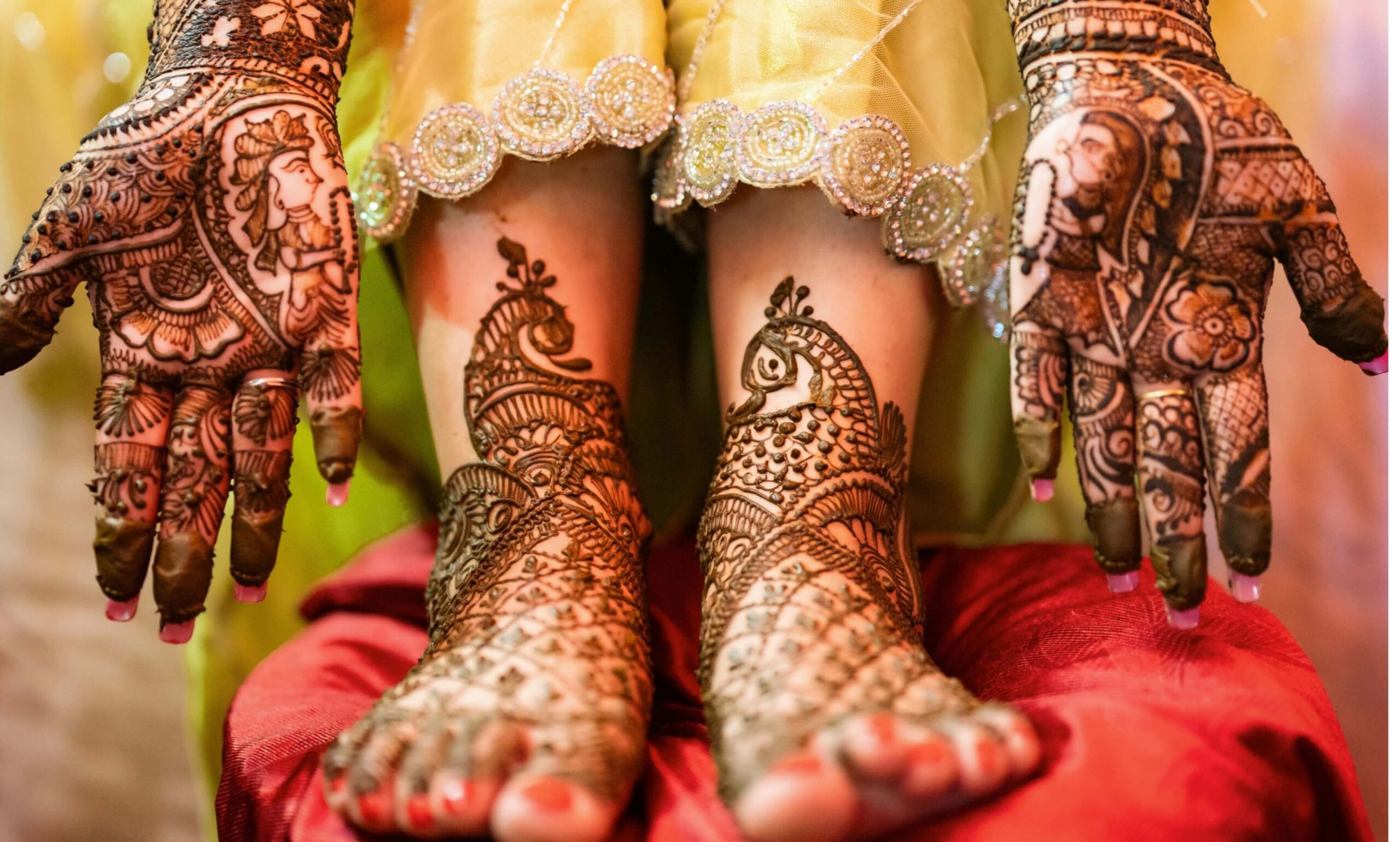
If you have ever noticed that henna colors and designs last longer on hands and feet, there is a simple reason for this:
These areas have thicker outer layers of skin and higher keratin content, so henna can bind the color and design more deeply to them.
Also, when it comes to the question of how long does henna last, location and routine play a big role.
Henna applied to the palms can last up to 3 weeks, while if it is applied to the arms or shoulders or the soles of the feet, it often fades in 7 to 10 days.
Constant exposure to water, soap, and friction also contributes greatly to the speed of fading.
Factors That Affect The Longevity Of Henna
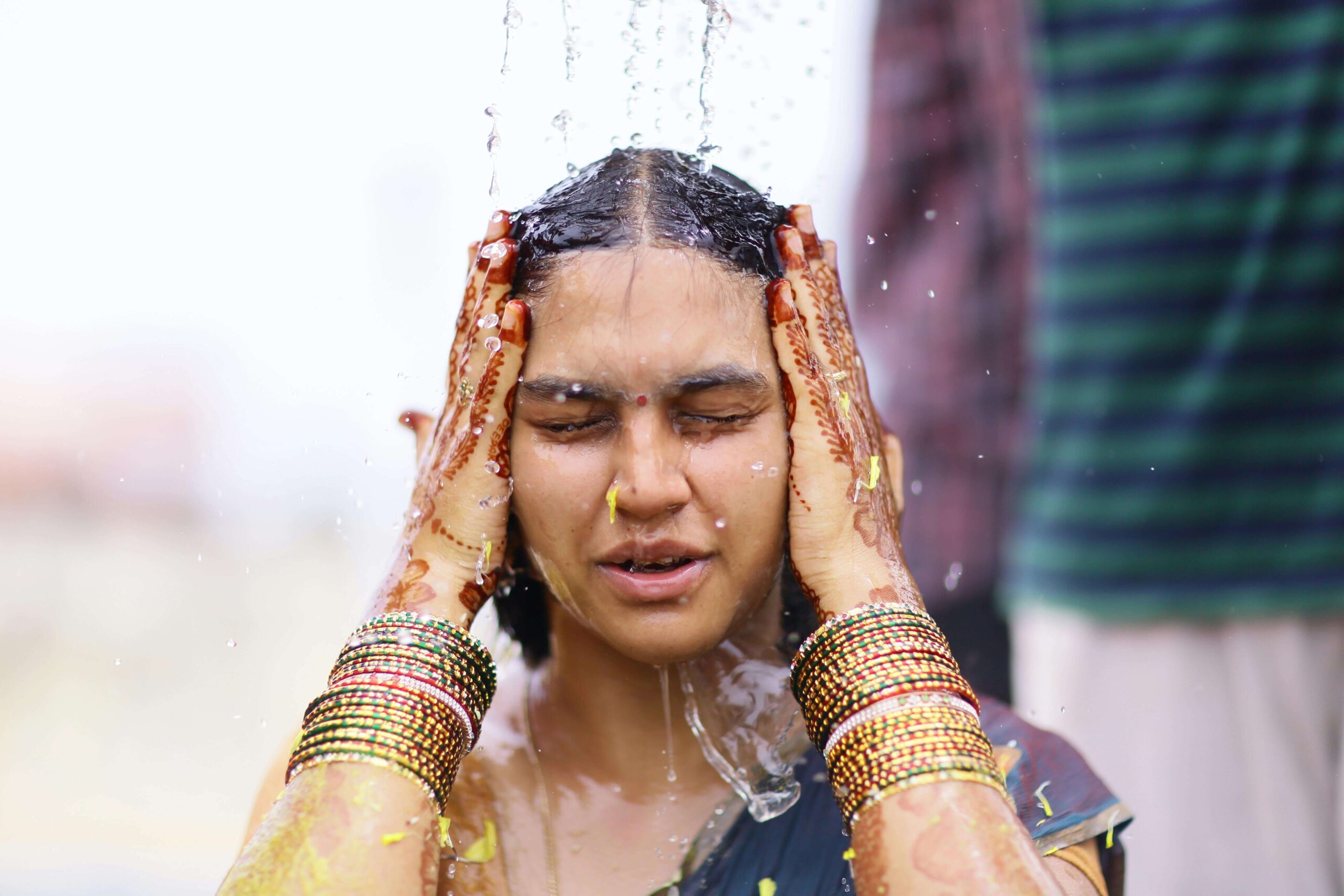
Various everyday factors affect how long does henna last:
Skin type: Dry skin retains the color and vibrancy of henna better than oily skin.
Application quality: Fresh, natural henna colors are usually deeper and darker.
Aftercare: Proper care can increase the life of henna color and enhance vibrancy.
Body area: Less frequently washed areas tend to hold color longer.
Climate: Weather conditions play an important role, cold or dry weather helps henna last longer compared to humid heat.
Understanding how changing seasons affect our lifestyles can also explain why henna behaves differently in various climates, helping you better manage how long does henna last and how to maintain its color and vibrancy for a longer time.
Does Natural Henna Last Longer Than Black Henna?
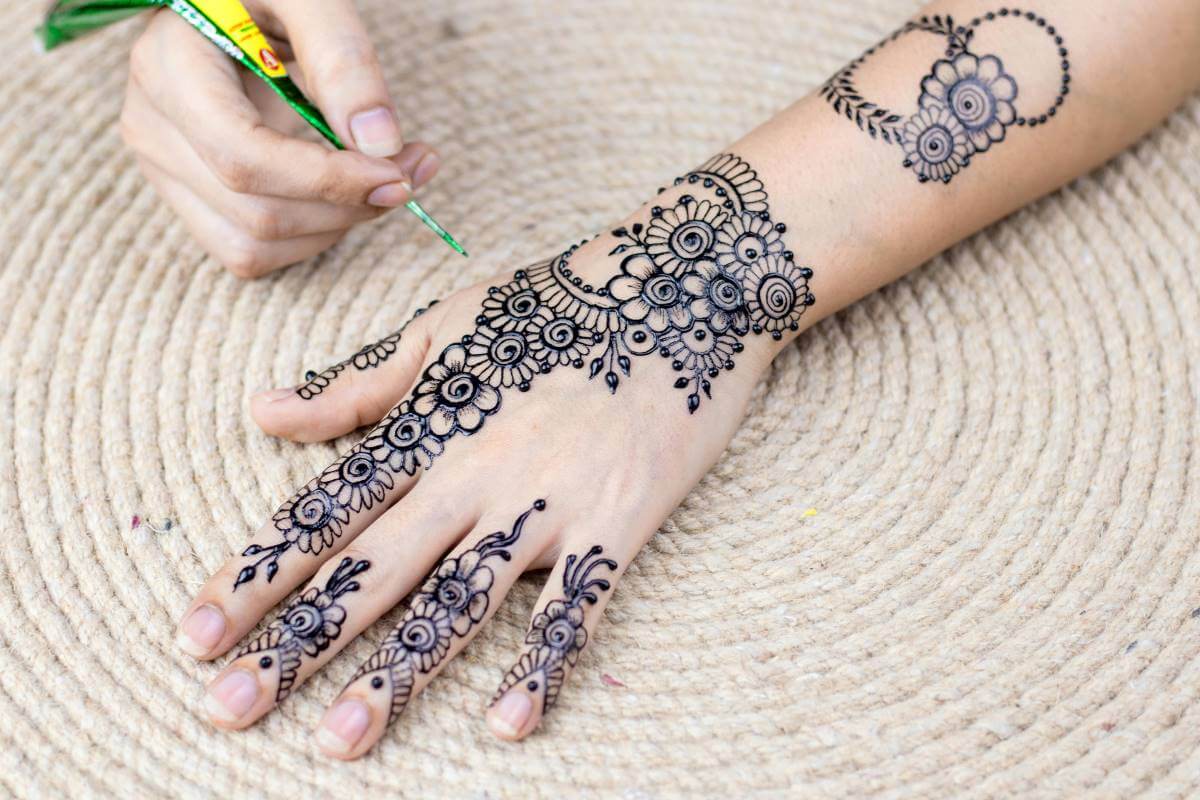
Yes, natural henna and black henna behave very differently.
Natural henna always leaves reddish-brown stains that fade slowly over time, leaving your skin looking radiant with a natural glow.
Black henna usually contains harmful ingredients, such as PPD, which not only darken the stains but are also unsafe and unreliable to work with.
When people ask how long henna lasts, experts always recommend choosing natural henna.
How long does henna last? Natural henna may not look jet black, but it stays safe and vibrant for a long time and fades evenly without damaging the skin.
How Long Does Henna Last Without Proper Care?
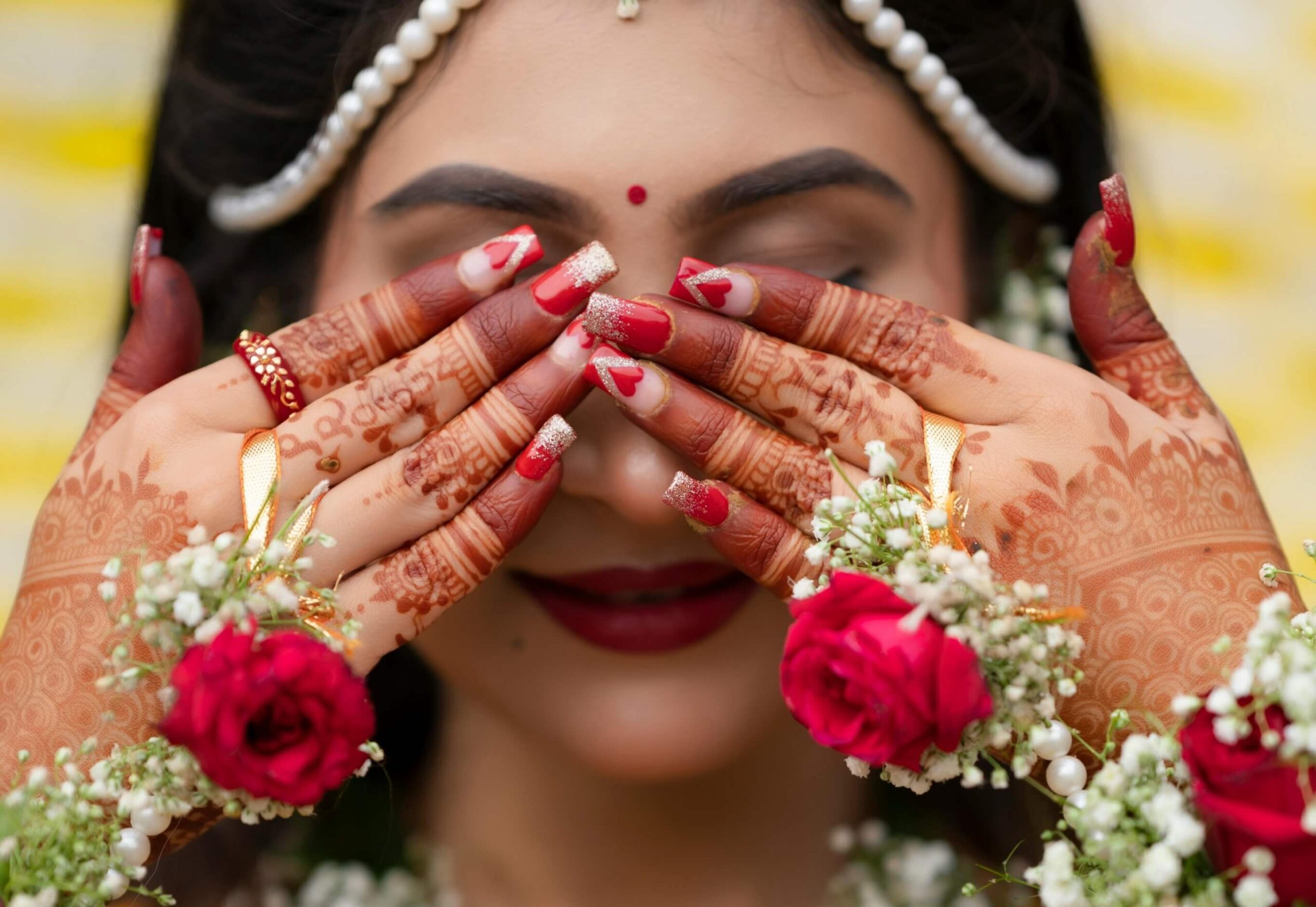
Without care, henna can fade in as little as 4 to 7 days.
Frequent hand washing, soaping, exfoliating, or swimming can quickly fade henna stains and colors.
Not protecting the colors and designs of henna within the first 48 hours significantly shortens its lifespan.
If you are wondering how long does henna last, remember that aftercare is just as important as applying henna.
Easy Tips To Keep Henna Unique And Lasting Longer
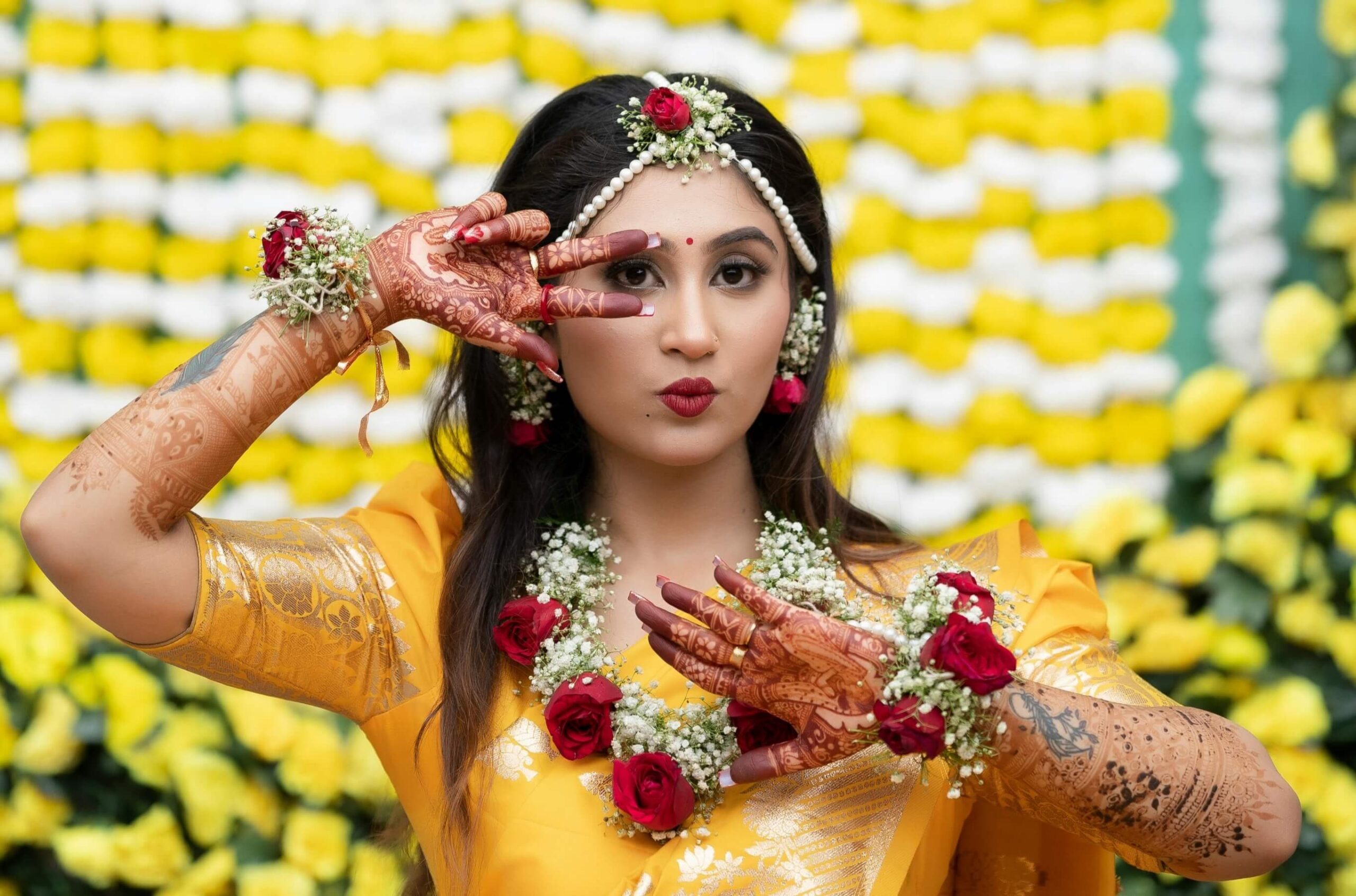
Here are some easy and useful ways to increase the longevity of henna:
Avoid water completely for 12-24 hours after application so that the color can fully penetrate your skin.
Apply natural oils (mustard, coconut, olive) every day so that the unique color can fully develop and avoid exfoliating scrubs on the design.
Wear gloves while cleaning utensils or using water at home to protect these colors from water.
Keep the skin completely moist during henna, and do not oversaturate; only then can these designs have a long life.
If you are still wondering how long does henna last, these small habits can easily add 5-7 extra days to your henna design.
How Long Does Henna Last On Hair And Skin?

Henna also works differently on hair.
Henna on skin naturally fades in two to three weeks.On hair, depending on your hair type and washing routine, henna can last for 4 to 6 weeks or even longer.
Henna on hair does not naturally fall out because hair is constantly shedding, unlike skin.
However, when the question of how long henna lasts is often discussed, most of the time it is on the topic of skin, as this is the most frequently asked concern.
When Does Henna Look Its Best?

Henna usually looks its best between day 2 and day 7 of application. During this stage, it is rich, warm, and well-defined in color.
This color may start to fade noticeably after 10 days, especially at the edges.
Planning events around that time means making sure your henna is the freshest, most attractive, most unique, and most vibrant.
How long does henna last? will help you give yourself the perfect amount of time to apply it for a wedding, party, or photo shoot.
How To Remove Henna Quickly If Necessary
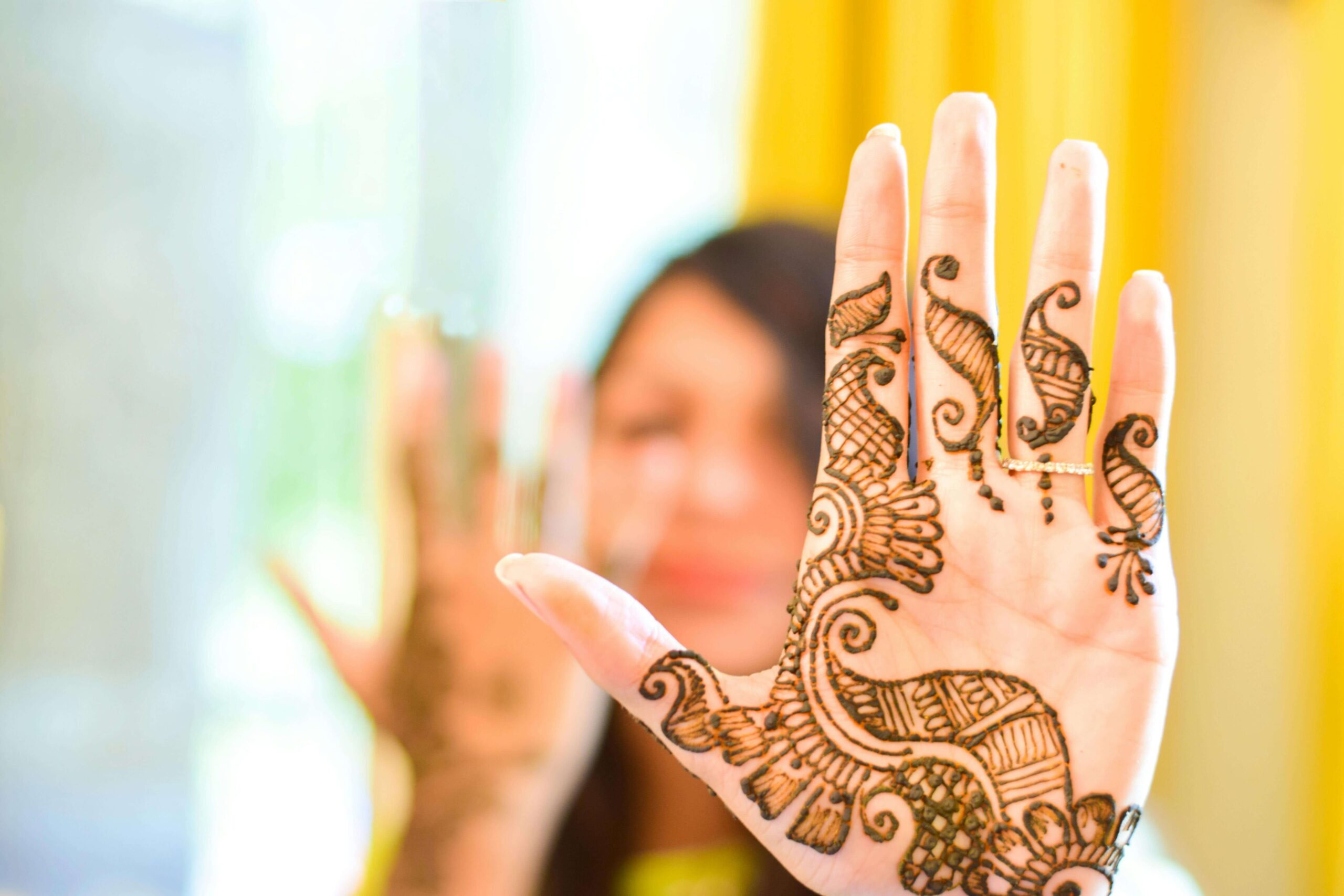
Sometimes people also want the henna to fade quickly.
In this case, frequent washing, exfoliation, hot water, lemon scrubs, and swimming can speed up the fading process.
However, natural henna cannot be removed instantly, and it fades as your skin continues to renew itself.
This is a natural process, and that is why henna is considered completely safe and temporary.
Final Thoughts: How Long Does Henna Last In Real Life?
Finally, some detailed explanation on the question of how long does henna last? In real life, most women enjoy henna for 1 to 3 weeks, depending on care, skin type, and placement.
Henna is meant to be natural, temporary, attractive, and a unique expression that is not permanent.
Its beauty lies in how it fades slowly, just like the seasons change throughout the year.
With proper care, planning, and realistic expectations, henna remains one of the most beautiful, attractive, and meaningful forms of body art in 2026.
If you want a design that feels personal, cultural, and naturally beautiful, henna remains a timeless choice—one that leaves memories long after the colors fade.
(FAQs)
How long does it take for henna to wear off?
Henna usually fades within 1 to 3 weeks. The exact time depends on skin type, aftercare, and how often the skin is washed.
Does henna come off in the shower?
Henna does not come off immediately in the shower, but frequent washing, hot water, and soap can make it fade faster over time.
Does henna fade completely?
Yes, henna fades completely on its own. As the skin naturally exfoliates, the color gradually lightens until it fully disappears.
Does henna dye the skin?
Henna stains the top layer of the skin, not permanently. It bonds with skin proteins, creating a temporary color that fades naturally.
